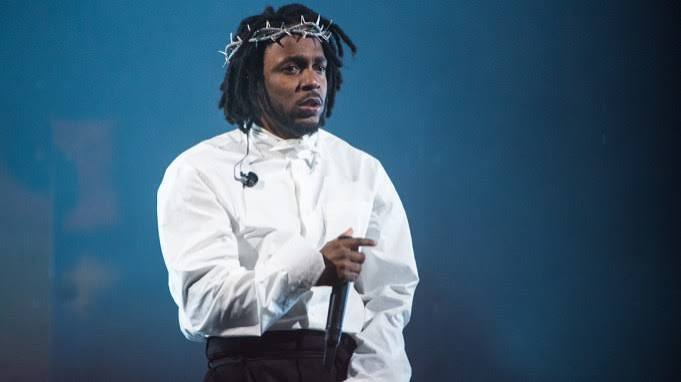
Kendrick Lamar is one of the most influential rappers of his generation. Known for his powerful storytelling, complex lyrics, creative production, and socially conscious music, Kendrick has established himself as an artist who treats hip-hop as both entertainment and a form of expression.
From growing up in Compton, California, to performing on some of the world’s biggest stages, his career has been built around authenticity, ambition, and a willingness to explore difficult subjects.
Growing Up in Compton
Kendrick Lamar Duckworth was born on June 17, 1987, in Compton, California. The city became an important part of his identity and strongly influenced his understanding of music, society, and community.
As a child, Kendrick witnessed the realities of life in a neighborhood associated with gang culture, poverty, and violence. However, he also experienced a strong sense of community and was surrounded by the musical culture of Los Angeles.
These experiences later became important elements of his songwriting.
Discovering Hip-Hop
Kendrick developed an interest in hip-hop at an early age. He admired artists such as Tupac Shakur and Dr. Dre, whose music had a major influence on his creative development.
Rather than immediately seeking mainstream fame, Kendrick spent years developing his skills through local performances and independent recordings.
He began releasing music under the name K-Dot and gradually developed a reputation as a promising young rapper.
The Early Mixtapes
Kendrick’s early projects helped him establish himself within the West Coast hip-hop scene.
His mixtapes demonstrated a growing ability to tell detailed stories about his surroundings and personal experiences.
As his reputation increased, he attracted attention from established artists and record executives.
Eventually, his talent led to a partnership with Top Dawg Entertainment, an independent label that became central to his career.
The Section.80 Breakthrough
In 2011, Kendrick released Section.80, a project that significantly increased his profile.
The mixtape explored themes such as social pressure, generational problems, identity, drugs, and life in disadvantaged communities.
Its success showed that Kendrick had something different to offer.
He wasn’t simply interested in creating songs designed for radio play. He wanted his projects to tell stories and encourage listeners to think about larger issues.
Good Kid, M.A.A.D City
Kendrick reached another level with his 2012 album Good Kid, M.A.A.D City.
The album was structured almost like a movie, following a young Kendrick through experiences involving friendship, temptation, violence, family, and personal growth.
Songs such as “Swimming Pools (Drank),” “Poetic Justice,” and “Bitch, Don’t Kill My Vibe” helped make the album commercially successful.
At the same time, its storytelling gave it lasting critical importance.
The album established Kendrick as one of hip-hop’s most ambitious young artists.
A Different Approach to Storytelling
Kendrick’s music often feels like a conversation rather than a simple performance.
He frequently changes his voice, perspective, flow, and emotional tone within the same song.
A single track may move from confidence to fear, anger to reflection, or celebration to regret.
This theatrical approach allows him to portray different characters and perspectives while creating a deeper narrative.
To Pimp a Butterfly
In 2015, Kendrick released To Pimp a Butterfly, one of the most ambitious albums of his career.
The album incorporated hip-hop with jazz, funk, soul, and other musical influences.
Its themes included race, identity, fame, depression, social inequality, and the experience of being a successful Black artist in America.
Tracks such as “Alright” became closely associated with conversations about social justice and resilience.
The album demonstrated that Kendrick could create commercially successful music while tackling complex subjects.
Kendrick and Social Commentary
Social commentary is one of the defining characteristics of Kendrick’s work.
He has used his music to discuss issues including inequality, racism, violence, poverty, identity, mental health, and the pressures faced by young people.
However, his songs rarely present simple answers.
Instead, Kendrick often explores contradictions within himself and society. His music can question his own decisions while simultaneously examining the world around him.
This complexity is part of what makes his work stand out.
DAMN. and Mainstream Success
Kendrick’s 2017 album DAMN. introduced another side of his artistry.
The album combined powerful storytelling with more accessible production and memorable singles.
“DNA.,” “HUMBLE.,” “LOYALTY.,” and “LOVE.” became major songs from the project.
DAMN. demonstrated that Kendrick could maintain his artistic ambition while reaching an enormous mainstream audience.
The album eventually won the Pulitzer Prize for Music, making Kendrick the first artist from the mainstream hip-hop field to receive the award.
The Black Panther Soundtrack
Kendrick also played an important creative role in the music associated with the film Black Panther.
The resulting soundtrack, Black Panther: The Album, brought together Kendrick and a range of international artists.
The project demonstrated his ability to connect hip-hop with cinema and broader popular culture.
It also reinforced his reputation as an artist capable of thinking beyond a traditional album format.
Mr. Morale & the Big Steppers
Kendrick returned with Mr. Morale & the Big Steppers in 2022.
The album explored deeply personal subjects, including family relationships, emotional struggles, responsibility, fame, and personal growth.
Rather than presenting himself as a perfect public figure, Kendrick focused on vulnerability and self-examination.
The album showed how his songwriting had evolved from primarily documenting his environment to examining his own psychological and emotional experiences.
Kendrick’s Unique Rap Style
Kendrick’s technical abilities are another major part of his appeal.
His music frequently features:
- Multiple flow changes
- Complex rhyme patterns
- Character-based storytelling
- Different vocal deliveries
- Metaphors and symbolism
- Social commentary
- Personal reflection
- Experimental production
He can move between aggressive rapping, melodic vocals, quiet conversations, and dramatic performances within the same project.
This versatility has made his music difficult to categorize.
The Importance of West Coast Hip-Hop
Although Kendrick became a global superstar, he has maintained strong connections to West Coast hip-hop.
His music frequently references Compton, Los Angeles, and the artists who influenced him.
He has helped bring a modern West Coast perspective to a global audience while respecting the history of artists who came before him.
Kendrick’s Impact on Younger Artists
Kendrick’s influence can be seen throughout modern hip-hop.
Many artists have adopted his willingness to discuss personal struggles, social issues, identity, and emotional vulnerability.
He has also demonstrated that commercially successful rap does not have to sacrifice lyrical complexity.
For aspiring rappers, Kendrick represents an example of how originality and artistic ambition can coexist with mainstream success.
Awards and Recognition
Kendrick Lamar has received some of the most significant honors available to a recording artist.
His achievements include numerous Grammy Awards, major album accolades, and the Pulitzer Prize for Music.
His success has also extended beyond music. He has become an important cultural figure whose work is frequently discussed in conversations about art, society, identity, and contemporary America.
Kendrick Lamar’s Legacy
Kendrick’s greatest contribution may be his ability to make hip-hop feel both personal and universal.
His stories are often rooted in specific places and experiences, yet the emotions behind them—fear, ambition, guilt, love, anger, and hope—can be understood by listeners anywhere.
He has shown that a rapper can be a performer, storyteller, social commentator, and artist at the same time.
Conclusion
Kendrick Lamar’s journey from Compton’s local hip-hop scene to international recognition is one of the most remarkable stories in modern rap.
His albums have explored personal experiences, social issues, cultural identity, and the complicated relationship between success and responsibility.
Rather than following a single formula, Kendrick has continuously challenged himself and his audience.
His ability to combine technical lyricism with meaningful storytelling has secured his place among hip-hop’s most important modern artists. As his career continues, Kendrick Lamar’s influence is likely to remain a major part of the evolution of contemporary music.