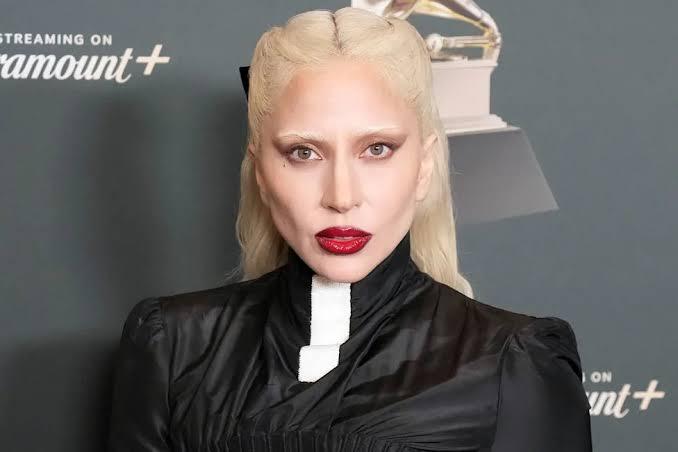
Lady Gaga has built one of the most fascinating careers in modern entertainment. She is known for unforgettable pop songs, extraordinary costumes, dramatic performances, powerful vocals, and an ability to reinvent herself whenever audiences think they know what to expect.
Born Stefani Joanne Angelina Germanotta, Gaga began her career as a young musician performing in New York clubs. Over time, she developed an artistic identity that combined music with fashion, theater, dance, and visual storytelling. Her journey eventually took her from small stages to international arenas, award ceremonies, Hollywood films, and some of the world’s biggest entertainment events.
The Young Musician Behind the Superstar
Before she became Lady Gaga, Stefani Germanotta was already serious about music.
She learned to play piano at a young age and developed an interest in songwriting. Unlike many performers who enter the entertainment industry through television or social media, Gaga spent years performing and writing music before becoming famous.
New York’s club scene became an important part of her development. Performing in small venues gave her the opportunity to experiment with different sounds and discover what kind of performer she wanted to become.
Those early years were not easy, but they helped establish the confidence and determination that would later define her career.
Finding Her Artistic Identity
Gaga understood early that becoming a successful musician was not only about making songs.
She wanted to create an entire world around her music.
Her performances began incorporating theatrical costumes, unusual choreography, dramatic lighting, and provocative imagery. These elements helped separate her from conventional singers.
The creation of the Lady Gaga persona gave her the freedom to combine different aspects of art and entertainment.
For Gaga, music became a visual experience as much as an audio one.
The Breakthrough of The Fame
Everything changed with the release of The Fame in 2008.
The album introduced the world to Gaga’s energetic combination of dance music and pop. Songs such as “Just Dance” and “Poker Face” quickly became international hits.
Her success was not limited to the music itself.
Fans were fascinated by her appearance, performances, music videos, and constantly changing fashion choices. Gaga quickly became one of the most discussed new stars in popular culture.
Redefining Pop Stardom
Gaga arrived at a time when pop music was already highly visual, but she pushed the concept much further.
Her outfits could become headlines. Her music videos could feel like short films. Her performances often resembled theatrical productions.
Instead of simply promoting an album, Gaga created an entire artistic era around each project.
This strategy influenced how audiences experienced pop stars and helped make visual identity an increasingly important part of modern music.
The Darker Side of Fame
With success came enormous public attention.
Gaga explored the pressures and fears associated with celebrity in The Fame Monster.
The project featured songs such as “Bad Romance” and “Telephone” and presented a darker aesthetic than her earlier work.
“Bad Romance” became one of her signature songs, combining dramatic vocals, electronic production, striking choreography, and an unforgettable music video.
The project showed that Gaga could turn the darker aspects of fame into creative material.
Born This Way and Self-Expression
Gaga’s music has frequently focused on individuality and self-acceptance.
This message became especially prominent with Born This Way, released in 2011.
The album’s title track became a major anthem centered on accepting yourself rather than allowing other people to define your identity.
The message connected strongly with Gaga’s fan community and became an important part of her public image.
Her concerts and interviews often reinforced the idea that people should feel comfortable expressing who they are.
An Artist Who Refused to Stay in One Genre
Gaga’s career cannot easily be placed into a single musical category.
Although she became famous through electronic pop and dance music, she later explored jazz, traditional standards, rock influences, acoustic music, and cinematic songwriting.
This musical flexibility became one of her greatest advantages.
Instead of repeating the formula that made her successful, she regularly challenged herself to try something different.
Exploring Jazz With Tony Bennett
One of the biggest surprises in Gaga’s career was her collaboration with legendary singer Tony Bennett.
Together, they explored the Great American Songbook and released Cheek to Cheek in 2014.
The project revealed Gaga’s vocal abilities in a completely different setting.
Without the elaborate costumes and electronic production associated with her early career, audiences could focus more directly on her singing.
The success of the project helped establish Gaga as a versatile vocalist rather than simply a dance-pop performer.
The Actress Emerges
Gaga eventually brought her performance skills to Hollywood.
Her role in A Star Is Born became a major turning point.
She played Ally, a talented singer attempting to build a career while dealing with the complicated realities of love, fame, and personal relationships.
The role allowed Gaga to demonstrate emotional subtlety and dramatic acting skills that audiences had not always associated with her pop persona.
Her performance received significant acclaim and introduced her to another generation of viewers.
The Success of Shallow
The A Star Is Born soundtrack became an enormous success, with “Shallow” at its center.
The emotional duet became one of Gaga’s most recognizable songs and demonstrated the power of her voice without relying heavily on electronic production.
The song earned Gaga an Academy Award for Best Original Song.
It also strengthened her position as an artist who could successfully move between music and cinema.
Returning to Dance Music
After exploring jazz and film, Gaga returned to electronic pop with Chromatica.
Released in 2020, the album featured energetic dance production while exploring themes of emotional pain, healing, and resilience.
“Rain on Me,” her collaboration with Ariana Grande, became one of the project’s biggest successes.
The album reminded audiences that Gaga could return to her dance-pop roots while presenting a more mature artistic perspective.
Gaga as a Live Performer
Live performance has always been central to Gaga’s career.
Her concerts combine music with theater and visual storytelling. She is known for dramatic costumes, elaborate staging, choreography, piano performances, and powerful vocals.
Rather than simply performing a collection of songs, Gaga often creates a complete experience for the audience.
This theatrical approach has helped make her one of the most distinctive live performers of her generation.
The Little Monsters
Gaga has developed an unusually strong relationship with her fans.
She affectionately refers to her supporters as “Little Monsters,” and the term became part of the culture surrounding her career.
Her message of individuality has helped create a community in which fans often see her as more than an entertainer.
For many supporters, Gaga’s music represents confidence, self-expression, and the courage to be different.
Beyond Music and Film
Gaga’s creative work has extended into other areas of entertainment and culture.
She has participated in major performances, fashion projects, charitable initiatives, film projects, and television appearances.
Her career demonstrates how modern entertainers can move between different industries without being limited to one profession.
Gaga has successfully built an identity that exists across music, acting, fashion, and performance.
What Makes Lady Gaga Different?
Many successful musicians have memorable songs, but Gaga has built something larger.
Her career combines several forms of creativity:
- Music and songwriting
- Fashion
- Acting
- Dance
- Theater
- Visual art
- Live performance
- Film
Each element supports the others.
This is one reason her career has remained interesting even when her musical style has changed.
A Career Built on Reinvention
Gaga has repeatedly surprised her audience.
She began as a provocative dance-pop performer, became a major album artist, explored jazz, moved into acting, returned to electronic music, and continued experimenting with different forms of performance.
Each transformation added something new to her identity.
Rather than seeing reinvention as a risk, Gaga has made it a central part of her career.
Lady Gaga’s Cultural Impact
Gaga has influenced pop music not only through her songs but also through her approach to celebrity.
She showed that an artist could turn an album into an entire visual and cultural era.
Her fashion choices helped blur the boundary between music and high-concept performance art, while her openness about individuality gave her music an emotional connection with millions of listeners.
Her ability to remain commercially successful while taking creative risks has made her an important figure in contemporary pop culture.
Conclusion
Lady Gaga’s journey is a story of transformation.
She began as a young musician performing in New York and eventually became a global star whose career extends across music, fashion, theater, and film.
Her biggest achievement may not be a particular song or award, but her ability to continuously reinvent herself without losing the connection she has built with her audience.
From dance-pop anthems to jazz standards and emotional film performances, Gaga has repeatedly demonstrated that a great artist does not have to fit into one category.
Her creativity, versatility, and commitment to self-expression have secured her place as one of the defining entertainers of modern popular culture.