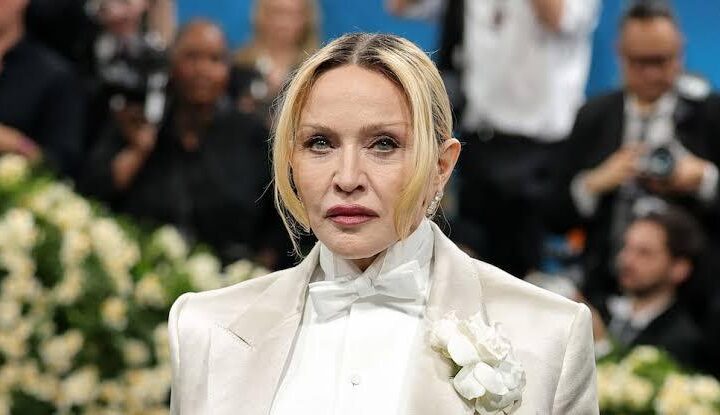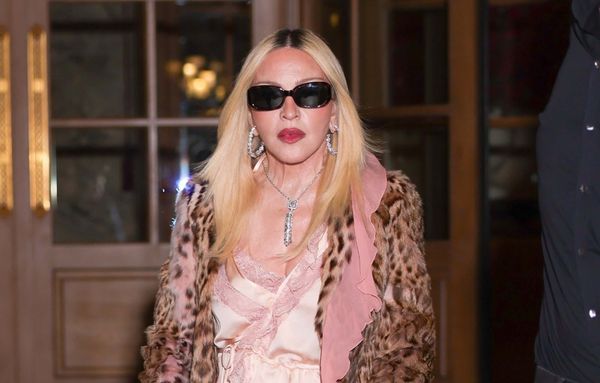
Madonna is one of the most important and recognizable artists in the history of popular music. For more than four decades, she has remained at the center of pop culture by constantly changing her sound, appearance, performances, and artistic direction.
Often known as the Queen of Pop, Madonna built a career that goes far beyond successful records. She became a fashion trendsetter, actress, performer, businesswoman, and cultural figure whose influence can still be seen in today’s music industry.
From Michigan to New York
Madonna Louise Ciccone was born in Michigan in 1958 and developed an interest in music and dance while growing up.
Dance became particularly important to her, eventually leading her to attend the University of Michigan on a dance scholarship.
However, Madonna wanted to pursue her ambitions in the entertainment industry. She eventually left college and moved to New York City with dreams of becoming a professional performer.
Life in New York was challenging. She worked different jobs while studying dance and performing wherever opportunities became available.
Those difficult early years helped build the determination that would later become one of her most recognizable characteristics.
Finding Her Voice
Madonna’s first years in New York involved experimentation.
She performed with bands and explored different musical styles before developing the pop sound that would eventually make her famous.
Her early music combined dance rhythms with catchy pop melodies, creating a sound that was perfectly suited to the growing influence of music television.
When her debut album, Madonna, arrived in 1983, songs such as “Holiday,” “Lucky Star,” and “Borderline” quickly attracted attention.
A new pop star had arrived.
The MTV Generation
Madonna understood the importance of music television better than many of her competitors.
MTV was becoming an increasingly powerful force in the 1980s, and Madonna used music videos to develop a complete visual identity.
Her videos featured distinctive fashion, choreography, characters, and storytelling.
She understood that audiences were not simply listening to songs—they were watching artists.
Madonna turned that idea into one of the most successful strategies in pop music history.
Like a Virgin Changes Everything
The release of Like a Virgin in 1984 transformed Madonna into a global superstar.
The title song became one of her defining hits, while songs such as “Material Girl” further established her public image.
Her performances became increasingly theatrical, and her fashion choices became major cultural talking points.
Madonna was no longer simply a singer with popular songs. She had become a celebrity whose every appearance attracted attention.
The Art of Controversy
Madonna has never been afraid of controversy.
Throughout her career, she has used provocative imagery and challenging themes to explore subjects such as religion, sexuality, gender, relationships, and personal freedom.
Her approach often generated criticism, but it also encouraged people to discuss her music and artistic ideas.
For Madonna, controversy could become another form of creative expression.
Like a Prayer
One of Madonna’s most important artistic periods came with Like a Prayer in 1989.
The album presented a more mature side of her songwriting while exploring complex personal and cultural themes.
The title track became particularly famous for its combination of pop music and religious imagery.
The controversy surrounding the song demonstrated Madonna’s ability to push mainstream entertainment into uncomfortable territory.
At the same time, the music itself received significant praise and strengthened her artistic reputation.
Madonna’s Ability to Reinvent Herself
Perhaps no other characteristic defines Madonna more than reinvention.
She has repeatedly changed her appearance, musical style, fashion, and public persona.
Her different eras have included everything from colorful dance-pop and glamorous Hollywood-inspired imagery to electronic music and more sophisticated adult pop.
This constant evolution prevented her career from becoming predictable.
Instead of trying to repeat past success, Madonna frequently searched for a new direction.
The Power of Vogue
“Vogue” became another landmark in Madonna’s career.
Inspired by the voguing dance style associated with New York’s ballroom culture, the song combined house-influenced production with a sleek black-and-white visual style.
The track became a major international success and helped bring elements of underground dance culture to a mainstream audience.
It also demonstrated Madonna’s ability to recognize emerging cultural movements and incorporate them into her artistic world.
Exploring Acting
Music was not Madonna’s only creative ambition.
She appeared in numerous films and eventually achieved one of her most notable acting successes with Evita.
In the film, she portrayed Eva Perón and performed many of the musical numbers.
Her performance earned her a Golden Globe Award for Best Actress in a Motion Picture – Musical or Comedy.
The role showed that Madonna could successfully move beyond the world of pop music.
Ray of Light: A New Madonna
In 1998, Madonna released Ray of Light, one of the most significant reinventions of her career.
The album embraced electronic music while introducing a more reflective and mature atmosphere.
The title track and songs such as “Frozen” showed a different side of Madonna’s artistic personality.
Instead of simply chasing the sound of contemporary pop, she collaborated with producers and explored electronic textures that helped create a distinctive new style.
Dance Music and Confessions
Madonna returned to her dance roots with Confessions on a Dance Floor in 2005.
The album was designed as an energetic, continuous dance experience and incorporated disco and electronic influences.
“Hung Up” became one of her biggest later-career hits.
The album’s success demonstrated something important about Madonna: she could remain connected to dance music while appealing to a new generation of listeners.
Madonna as a Live Entertainer
Madonna’s influence extends strongly into live performance.
Her concerts are known for large-scale production, elaborate costumes, choreography, dancers, video screens, lighting, and theatrical concepts.
She has consistently treated touring as a creative extension of her albums.
Rather than simply standing on stage and singing, Madonna builds performances around visual themes and storytelling.
This approach influenced how many later pop stars designed their own concerts.
Fashion and Pop Culture
Madonna’s influence on fashion is almost as significant as her influence on music.
Throughout her career, she has used clothing to communicate different identities and artistic messages.
Her fashion has included everything from rebellious streetwear to glamorous couture-inspired looks.
Many of her outfits became instantly recognizable and were copied by fans around the world.
She demonstrated that fashion could be an essential component of a musician’s brand.
Madonna and Female Empowerment
Madonna’s career also changed expectations surrounding female performers.
She fought for greater control over her image and creative direction and openly discussed subjects that were often considered uncomfortable for mainstream entertainment.
Her willingness to take control of her career helped establish a model for future female artists.
Pop stars who followed her inherited an industry in which women could be performers, business leaders, creative directors, and cultural voices.
A Global Music Career
Madonna’s popularity has never been restricted to the United States.
Her music has reached audiences across Europe, Asia, Latin America, Australia, and many other parts of the world.
Her international success helped demonstrate that pop music could create a truly global fan community.
Her world tours further expanded that connection, bringing her performances to huge audiences across different countries.
Why Madonna Remains Relevant
The music industry has changed dramatically since Madonna released her first album.
The rise of MTV was followed by CDs, digital downloads, online music, streaming, and social media.
Yet Madonna has continued adapting to each new era.
Her longevity is not simply the result of nostalgia. It comes from her willingness to experiment and change.
She has consistently understood that remaining relevant requires more than repeating what worked in the past.
Madonna’s Influence on Modern Pop
The modern pop star owes a great deal to Madonna.
She helped establish the importance of:
- Music videos
- Stage production
- Fashion branding
- Choreography
- Reinvention
- Artist-controlled imagery
- Provocative storytelling
- Global touring
Many contemporary performers have adopted these elements as standard parts of their careers.
Madonna helped create the blueprint.
A Legacy Built on Reinvention
Madonna’s greatest achievement may be her ability to remain unpredictable.
Every generation has encountered a different version of her.
The Madonna of the early 1980s was different from the artist who created Like a Prayer. The performer behind Ray of Light was different again, while Confessions on a Dance Floor introduced another musical direction.
Yet all of these eras remained unmistakably Madonna.
Conclusion
Madonna’s career is one of the most extraordinary stories in popular music.
She transformed herself from a young dancer with dreams of success into a global superstar whose influence reaches music, fashion, film, performance, and popular culture.
Her willingness to experiment, challenge expectations, and reinvent herself helped redefine the role of a pop artist.
Decades after her breakthrough, Madonna remains an important symbol of creativity and artistic independence. Her music continues to inspire new performers, while her approach to image, performance, and reinvention has become part of the foundation of modern pop culture.