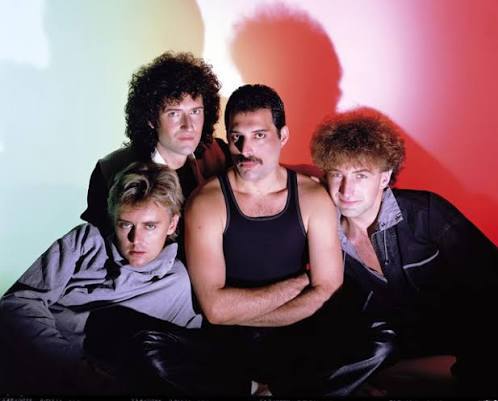
Queen is one of the most celebrated rock bands in music history. Known for powerful performances, unforgettable songs, dramatic arrangements, and the extraordinary voice of Freddie Mercury, the band created a sound that was difficult to place into a single genre. Their music moved between hard rock, pop, progressive rock, ballads, and theatrical compositions.
Formed in London in the early 1970s, Queen eventually became one of the world’s biggest rock acts. Their journey was filled with ambitious albums, worldwide tours, creative experimentation, and songs that continue to be recognized by audiences across generations.
The Formation of Queen
Queen’s story began when guitarist Brian May and drummer Roger Taylor were members of a London band called Smile. When vocalist Freddie Mercury joined them, the group began developing a new musical identity.
Mercury brought an extraordinary stage presence and ambitious ideas about performance. Bassist John Deacon later joined the lineup, completing the classic four-member version of Queen.
The combination of May’s distinctive guitar style, Taylor’s powerful drumming, Deacon’s steady bass playing, and Mercury’s remarkable vocals gave Queen a unique musical personality.
Finding Their Sound
Queen’s early music showed that the band was not interested in following a single formula.
Their songs could contain heavy guitar riffs, complex harmonies, dramatic vocals, layered arrangements, and softer melodic passages. This willingness to experiment became one of their greatest strengths.
Their self-titled debut album, Queen, was released in 1973. Although it did not immediately make them international superstars, it introduced listeners to a band with enormous musical ambition.
Their second album, Queen II, helped strengthen their reputation and demonstrated an even more adventurous approach to songwriting and production.
The Breakthrough With “Killer Queen”
Queen reached a major turning point with the release of Sheer Heart Attack in 1974.
The album included “Killer Queen,” a sophisticated song that showcased Mercury’s ability to combine elegant melodies with theatrical rock.
The success of the song introduced Queen to a much wider audience and demonstrated that the band could create music that was both commercially successful and musically ambitious.
Their popularity continued to grow rapidly.
“Bohemian Rhapsody” Changes Everything
Queen’s most famous creative achievement arrived with “Bohemian Rhapsody.”
Released in 1975, the song was unlike most conventional rock singles of its era. It moved through multiple musical sections, combining ballad, opera-inspired vocals, hard rock, and dramatic transitions.
The song’s unusual structure initially made it a risky choice for radio, but audiences responded strongly.
“Bohemian Rhapsody” eventually became one of the most recognizable songs in popular music and established Queen as a band willing to ignore traditional boundaries.
A Band Built Around Four Personalities
Queen’s success was not based on Freddie Mercury alone.
Brian May developed a distinctive guitar sound and became an important songwriter within the group. His guitar work became instantly recognizable, particularly through his use of layered harmonies and carefully constructed solos.
Roger Taylor brought powerful drumming and contributed several memorable songs.
John Deacon was known for his understated personality but played a major role in Queen’s songwriting. He wrote “Another One Bites the Dust,” one of the band’s biggest international hits.
Freddie Mercury became the band’s most visible performer, but Queen’s music was ultimately the result of four musicians contributing different ideas and talents.
“We Will Rock You” and “We Are the Champions”
Queen also developed a remarkable ability to create songs that connected with huge crowds.
“We Will Rock You” became famous for its simple rhythmic structure and audience participation. Its stomping beat made it particularly effective in stadiums.
“We Are the Champions” became one of the most recognizable victory songs in the world.
Together, the songs demonstrated Queen’s understanding of live audiences. Their music was not simply designed to be listened to—it could also be experienced collectively.
Freddie Mercury: A Remarkable Frontman
Freddie Mercury remains one of the most iconic frontmen in rock history.
His voice could move from gentle and emotional to powerful and dramatic. More importantly, he understood how to control a stage.
Mercury’s performances were energetic, theatrical, and highly interactive. He could command enormous audiences with simple gestures and vocal cues.
His stage presence became one of the defining elements of Queen’s identity.
At the same time, Mercury was also a talented songwriter. He contributed some of the band’s most memorable compositions, including “Somebody to Love,” “Don’t Stop Me Now,” and “Bohemian Rhapsody.”
Queen’s Musical Experimentation
One reason Queen remained interesting throughout their career was their willingness to experiment.
The band incorporated elements of rock, pop, funk, opera, disco, and progressive music into their recordings.
They could move from a heavy guitar-driven track to a delicate piano ballad without losing their identity.
This flexibility allowed them to appeal to different audiences while maintaining a recognizable Queen sound.
The Magic of Live Performances
Queen became particularly famous for their concerts.
Their ability to connect with large crowds reached its peak during major stadium performances. The band understood that a great concert required more than simply reproducing studio recordings.
Mercury communicated directly with audiences, while May, Taylor, and Deacon created a powerful musical foundation.
One of the band’s most famous performances took place at Live Aid in 1985.
Their short set became one of the most remembered moments of the event, with Mercury successfully engaging a massive stadium audience.
Challenges and Changes
Like many long-running bands, Queen experienced periods of disagreement and uncertainty.
The members sometimes followed different creative directions, and their musical interests continued to evolve.
However, they continued recording and touring successfully.
Albums such as A Day at the Races, News of the World, Jazz, The Game, and The Works showed different sides of the band’s creativity.
Their ability to survive changing musical trends helped maintain their relevance.
Freddie Mercury’s Final Years
In the later years of his life, Freddie Mercury continued working with Queen despite serious health challenges.
The band’s final studio album recorded with Mercury, Innuendo, was released in 1991.
Mercury died later that year.
His death marked the end of an extraordinary era for Queen and left millions of fans mourning one of rock music’s most distinctive performers.
Although Queen continued performing in later years with other vocalists, Mercury’s presence remained central to the band’s history.
Queen’s Influence on Music
Queen’s influence extends far beyond classic rock.
Their music has inspired rock bands, pop performers, metal musicians, theatrical artists, and singers around the world.
Their approach to vocal harmonies, guitar arrangements, songwriting, and stage performance has been studied and admired by generations of musicians.
The band also demonstrated that commercial music did not have to follow strict genre rules.
Queen could be dramatic, emotional, heavy, playful, romantic, and experimental—all within the same career.
Why Queen Still Matters
Decades after their formation, Queen remains highly relevant.
Their songs continue to appear in films, television programs, sporting events, commercials, and live performances.
Younger listeners continue discovering songs such as “Bohemian Rhapsody,” “Don’t Stop Me Now,” “Another One Bites the Dust,” and “Somebody to Love.”
The band’s music has also remained visible through documentaries, archival releases, tribute performances, and renewed interest in their history.
Their story was introduced to a new generation through the successful biographical film Bohemian Rhapsody, which brought Queen and Freddie Mercury back into the center of popular conversation.
A Legacy Bigger Than Rock
Queen’s greatest achievement may be their ability to make music feel larger than life.
They understood melody, spectacle, emotion, and performance. Their songs could work in intimate settings, on the radio, or in front of enormous stadium crowds.
The combination of Mercury’s voice, May’s guitar, Taylor’s drums, and Deacon’s bass created a musical identity that remains instantly recognizable.
Few bands have managed to combine artistic ambition and mass popularity as successfully as Queen.
Conclusion
Queen changed the possibilities of rock music by refusing to stay inside traditional boundaries. Their powerful songs, theatrical performances, unforgettable melodies, and creative experimentation made them one of the most influential bands of their generation.
Freddie Mercury became an iconic performer, while Brian May, Roger Taylor, and John Deacon each contributed essential elements to the band’s identity.
Although Queen’s classic era belongs to the past, their music continues to live through new listeners, musicians, and fans around the world. Their songs remain powerful because they combine extraordinary musicianship with emotion, personality, and a sense of spectacle.
Queen was never simply a rock band. They became a musical institution—and their legacy continues to grow with every new generation that discovers their music.