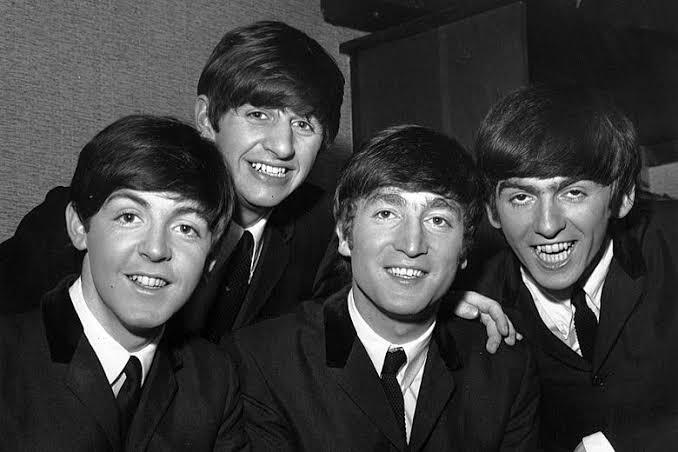
The Beatles were more than a successful musical group. They became a cultural phenomenon that transformed popular music, influenced generations of artists, and changed the way audiences viewed bands. With their unforgettable melodies, creative songwriting, experimental recordings, and charismatic personalities, John Lennon, Paul McCartney, George Harrison, and Ringo Starr created a legacy that remains powerful decades after their original run.
From small clubs in Liverpool to sold-out stadiums around the world, The Beatles experienced one of the most remarkable rises in music history. Their story is filled with ambition, friendship, creativity, experimentation, success, and eventually separation.
The Beginning in Liverpool
The story of The Beatles began in Liverpool, England, where John Lennon formed a skiffle group called The Quarrymen in the late 1950s. Lennon eventually met Paul McCartney, who impressed him with his musical ability and quickly became an important member of the group.
George Harrison later joined the developing band, bringing strong guitar skills and a serious interest in music. The group went through several names and lineup changes before eventually becoming known as The Beatles.
Their early years were far from glamorous. The musicians performed in small venues and spent considerable time developing their skills. Their performances in Liverpool helped them build a local following, but their ambitions were much larger.
Hamburg and the Road to Professional Success
One of the most important periods in The Beatles’ development came during their performances in Hamburg, Germany. Playing long sets in clubs forced the young musicians to become tighter, more confident, and more energetic performers.
The experience also helped them develop their stage presence. Instead of simply performing songs, they learned how to entertain audiences for hours.
When The Beatles returned to Liverpool, they had become much more experienced musicians. Their performances at the Cavern Club attracted increasing attention, and their popularity continued to grow.
A major turning point came when Brian Epstein became their manager. Epstein recognized their potential and helped them move toward a professional recording career.
Ringo Starr Completes the Lineup
Although The Beatles had already developed a strong identity, the classic lineup was not complete until Ringo Starr joined the group in 1962.
Starr replaced drummer Pete Best and quickly became an essential part of the band’s sound. His distinctive drumming style, personality, and ability to support the songs made him a natural fit.
With Lennon, McCartney, Harrison, and Starr together, The Beatles entered the period that would change music history.
Their First Major Success
The Beatles released their debut single, “Love Me Do,” in 1962. It introduced the group to a much larger audience and established the beginning of an extraordinary recording career.
Their first album, Please Please Me, followed in 1963. The album demonstrated the band’s infectious energy and songwriting ability.
Songs such as “Please Please Me,” “From Me to You,” and “She Loves You” quickly became major hits.
The excitement surrounding the band became known as Beatlemania. Fans screamed at concerts, waited outside hotels, and followed the musicians wherever they appeared.
The Beatles were no longer simply a British band. They were becoming international stars.
Conquering America
The Beatles’ breakthrough in the United States was one of the defining moments of their career.
In 1964, the group appeared on The Ed Sullivan Show. Millions of American viewers watched their performance, and their popularity exploded.
Their arrival in America became an important moment in the history of the British Invasion, as British artists began dominating American popular music.
The Beatles soon performed to enormous audiences and became one of the biggest entertainment acts in the world.
Their success demonstrated that a band from Liverpool could reach audiences across the globe.
The Lennon-McCartney Partnership
One of The Beatles’ greatest strengths was the songwriting partnership between John Lennon and Paul McCartney.
Although they sometimes wrote separately, their names became closely associated with some of the most memorable songs in popular music.
They created songs about relationships, youth, loneliness, happiness, identity, and everyday life. Their ability to write both simple pop songs and complex compositions allowed The Beatles to continually evolve.
McCartney often showed a talent for melody and romantic songwriting, while Lennon frequently brought a sharper, more introspective or experimental perspective.
Together, their creative partnership became one of the most influential songwriting collaborations in music history.
George Harrison Finds His Voice
George Harrison initially received less songwriting attention than Lennon and McCartney, but his artistic development became increasingly important.
Songs such as “Taxman,” “While My Guitar Gently Weeps,” and “Something” demonstrated Harrison’s growing confidence as a songwriter.
His interest in Indian music also expanded The Beatles’ musical vocabulary. Harrison introduced Indian instruments and musical ideas into the band’s work, helping expose Western audiences to sounds they might not otherwise have encountered.
By the later years of The Beatles, Harrison had become an accomplished songwriter in his own right.
From Pop Stars to Studio Innovators
Perhaps the most fascinating part of The Beatles’ career was their transformation from a touring pop band into adventurous studio musicians.
Albums such as Rubber Soul and Revolver showed that the group was moving beyond straightforward pop music.
Then came Sgt. Pepper’s Lonely Hearts Club Band, an album widely regarded as a landmark in recording history.
Instead of treating an album simply as a collection of singles, The Beatles approached the studio as a creative environment. They experimented with unusual sounds, recording techniques, orchestration, and arrangements.
Their work demonstrated that popular music could also be ambitious, artistic, and experimental.
A New Era of Musical Creativity
The Beatles continued pushing boundaries with albums including The Beatles, commonly known as the White Album, and Abbey Road.
Their music became increasingly diverse. One song might be a gentle acoustic composition, while another could feature unusual studio effects, orchestration, blues influences, rock, or elements of classical music.
This diversity became one of the band’s defining characteristics.
They were not interested in repeating the same formula forever. Instead, they constantly searched for new sounds and ideas.
The Beatles and Popular Culture
The Beatles’ influence extended far beyond music.
Their hairstyles, clothing, humor, interviews, films, and personalities influenced popular culture around the world.
During the 1960s, they became symbols of a rapidly changing generation. Young people connected with their music while also seeing them as representatives of new attitudes toward creativity, fashion, and social life.
Their films, including A Hard Day’s Night and Help!, also helped establish the band as major entertainment personalities beyond the recording studio.
The Final Years
Despite their enormous success, relationships within The Beatles became increasingly complicated.
Business disagreements, creative differences, personal pressures, and changing individual ambitions all contributed to tension.
The members were also becoming interested in their own musical directions.
Nevertheless, their final studio albums included some of their most respected work. Abbey Road, released in 1969, demonstrated that the band could still produce extraordinary music despite internal difficulties.
The famous medley on the second side of the album remains one of their most celebrated achievements.
The End of The Beatles
The Beatles officially separated in 1970.
Their breakup marked the end of one of the most influential chapters in popular music, but it did not end the careers of the individual musicians.
John Lennon pursued a successful solo career and became known for songs that reflected his personal and political ideas.
Paul McCartney formed Wings and continued producing successful music.
George Harrison developed a respected solo career and became involved in humanitarian projects.
Ringo Starr also enjoyed a successful career as a solo musician and performer.
Although they followed different paths, their years together continued to define their artistic identities.
Why The Beatles Still Matter
The Beatles remain important because they changed expectations about what a popular band could accomplish.
They demonstrated that musicians could write their own material, experiment in the recording studio, explore different genres, and treat albums as complete artistic works.
Their influence can be heard in rock, pop, alternative music, indie music, and countless other genres.
Many modern artists have studied their songwriting, production techniques, harmonies, arrangements, and approach to album-making.
Their legacy is not simply based on the number of records they sold. It is based on how dramatically they expanded the possibilities of popular music.
A Legacy That Continues
Even decades after their breakup, The Beatles continue to attract new listeners.
Their songs remain familiar to longtime fans while also being discovered by younger generations. New documentaries, reissues, books, performances, and digital releases continue to introduce their story to audiences around the world.
What makes their legacy especially remarkable is the combination of four different personalities.
Lennon’s intensity, McCartney’s melodic instincts, Harrison’s spiritual and musical curiosity, and Starr’s distinctive character created a combination that was difficult to reproduce.
Individually, they were talented musicians. Together, they became something much larger.
Conclusion
The Beatles changed the history of music by proving that a popular band could also be innovative, thoughtful, experimental, and culturally influential.
Their journey from Liverpool clubs to international superstardom remains one of the most extraordinary stories in entertainment. Through unforgettable songs, groundbreaking albums, and a willingness to explore new creative ideas, they transformed the possibilities of popular music.
The Beatles may have existed as a band for only a relatively short period, but their artistic influence has lasted for generations. Their music continues to connect people across ages and cultures, ensuring that the story of John Lennon, Paul McCartney, George Harrison, and Ringo Starr remains an important chapter in the history of modern music.